Product Description
We are 1 of the leading manufacturer of planetary gearboxes through powder metallurgy. A gearbox is a power transmission device to produce high torque by reducing the drive speed or increase the drive speed the other way. Planetary gearbox consisting 3 components: sun gear, planet gear and ring gear . A Sun gear is a gearwheel in a planetary gear system, that rotates around its own axis and has other gears (planet gears) that rotate around it. Much like the Sun and planets in our solar system. The amount of planetary gears in a gearbox varies based on the gear ratio. Most planetary gearboxes have from 2 to 5 planet gears.
When looking at planetary gears, the strength of the gearbox is usually determined by the size of the sun gear. Larger sun gears will allow for higher torque values. The planet carrier,Its objective is to hold up to gears of the same size, which mesh with the sun gear.
Planetary Gearbox advantages:
- Provides high torque at slow speeds .
- The shafts are made up of hardened and tempered alloy steel .
- Sun gears ,planet gears and ring gears are made of powder metallurgy and sintering steel
- Low noise levels.
- Good quality taper roller bearings for input and output shafts .
- High efficiency .
We produce precision metal gearboxes through powder metallurgy .
Powder metallurgy is a metal working process in which finely-powdered metal is mixed with binder material to create a”feedstock” that is then shaped and solidified using injection molding.The ability to combine several operations into 1 process ensures MIM is successful in saving lead times as well as costs, providing significant benefits to manufacturers. The metal injection molding process might be a green technology due to the significant reduction in wastage compared to “traditional” manufacturing methods.
MIM can produce parts where it is difficult, or even impossible, to efficiently manufacture an item through other means of fabrication. Increased costs for traditional manufacturing methods inherent to part complexity, such as internal/external threads, miniaturization, or identity marking, typically do not increase the cost in a MIM operation due to the flexibility of injection molding.
The window of economic advantage in metal injection molded parts lies in complexity and volume for small-size parts. MIM materials are comparable to metal formed by competing methods, and final products are used in a broad range of industrial, commercial, medical, dental, firearms, aerospace, and automotive applications. Dimensional tolerances of ±0.3% are common and machining is required for closer tolerances .
MIM technology has found increased applications in the commercial world – from home appliances to watches, automobiles to aerospace, and medical to orthodontics.
The advantages of metal injection molding for metal fabrications :
- Highest degree of design freedom for complex shapes and geometries
- Provides practical economic solutions to increasingly stringent material and product design requirements
- Functional integration of various features, such as lateral drillings, interior and exterior threads and gear teeth.
- Components can be heat and surface treated, plated, welded and soldered
- Very high volume production series run on fully-automatic injection molding machines using multi-cavity tools
Metal injection moulding process custom metal parts
MIM prcess in each steps :
1. Metal powers option
2. Binders
3. Mixing
4. Molding
5. De-binding
6. Sintering
7. post sintering operation such as polishing
8. Mechanical properties MIM parts
Customized metal parts specification
| Product type | Custom high precision small gearboxes for DC motors |
| Material | steel |
| Process | Powder metallurgy , metal injection molding |
| Treatment | plating ,sand blasting , PVD , coating |
| Tolerance | ±0.3% |
| Drawing format | DWG ,IGS , STP |
| Delivery time | 20 days for mass production |
Custom metal parts
Workshop
/* January 22, 2571 19:08:37 */!function(){function s(e,r){var a,o={};try{e&&e.split(“,”).forEach(function(e,t){e&&(a=e.match(/(.*?):(.*)$/))&&1
| Application: | Motor, Electric Cars, Motorcycle, Machinery, Marine, Toy, Agricultural Machinery, Car, Car Parts |
|---|---|
| Function: | Distribution Power, Clutch, Change Drive Torque, Change Drive Direction, Speed Changing, Speed Reduction, Speed Increase |
| Layout: | Cycloidal |
| Hardness: | Hardened Tooth Surface |
| Installation: | Horizontal Type |
| Step: | Three-Step |
| Samples: |
US$ 5/Piece
1 Piece(Min.Order) | |
|---|
| Customization: |
Available
| Customized Request |
|---|
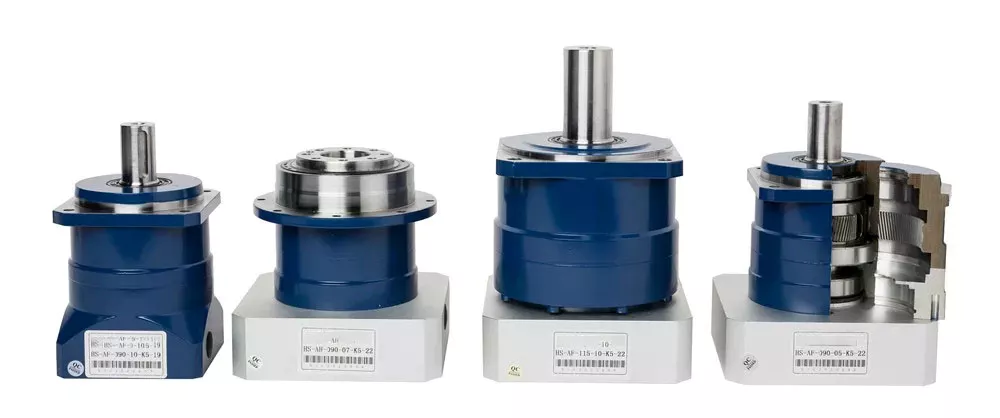
Planetary Gearbox Basics
If you’re in the market for a new Planetary Gearbox, you’ve come to the right place. There’s more to these mechanical wonders than just their name. Learn about Spur gears, helical gears, and various sizes. After you’ve read this article, you’ll know exactly what to look for when shopping for a new one. And you’ll also be able to avoid common mistakes made by amateur mechanics.
Wheel drive planetary gearboxes
Planetary gearboxes have numerous benefits over conventional gearboxes. Their compact design is advantageous for servo functions. Their lubrication is a key feature to maintain smooth operation and avoid damage to the gears. Some manufactures use CZPT to ensure proper functioning. These gearboxes have nearly three times the torque of traditional gearboxes while remaining compact and low in mass.
The planetary gears are made of three different types. Each type has an input and output shaft. The input and output shafts are usually coaxially arranged. The input and output shafts are connected to each other via a carrier. The carrier rotates with the planetary gears. The sun gear is the input gear and is typically 24 teeth in diameter. The outer gears are connected to the sun gear via rings of gears that are mounted around the sun gear.
Planetary gearboxes are also used in wheeled and tracked vehicles. They are also used in winch systems, which lift and lower loads. Typical applications include heavy machinery, such as cranes and earthmovers. Wheel drives are also widely used in municipal and agricultural vehicles, as well as material handling vehicles. The wheel drive is typically mounted directly into the wheel rim. A wheel drive may be fitted into two, three, or even four wheels.
A planetary gear set may be used in stages to provide different transmission rates. In order to choose the right gearbox for your application, consider the torque, backlash, and ratio you need. Then, consider the environment where the gearbox is used. Depending on its location, it might need to be protected from weather, water, and other elements. You can find a wide range of different sizes in the market.
Spur gears
There are two basic types of gearheads: planetary and spur gearheads. Each has its advantages and disadvantages depending on the application. This article will discuss the differences between these two types of gearheads. Spur gearheads are commonly used for transmission applications, while planetary gearheads are more widely used for motors. Spur gearheads are less expensive to produce than planetary gearheads, and they are more flexible in design.
There are many different types of spur gears. Among them, a 5:1 spur gear drive ratio means that the sun gear must rotate five times per revolution of the output carrier. The desired number of teeth is 24. In metric systems, the spur gears are referred to as mm and the moon gears as modules. Spur gears are used in many different types of applications, including automotive and agricultural machinery.
A planetary geartrain is a combination of ring and spur gears, which mesh with each other. There are two kinds of planetary geartrains: simple planetary gears and compound planetary gears. Spur gears are the most common type, with a sun gear and ring gear on either side of the sun. Simple planetary gears feature a single sun and ring gear, while compound planetary gears use multiple planets.
A planetary gearbox consists of two or more outer gears, which are arranged to rotate around the sun. The outer ring gear meshes with all of the planets in our solar system, while the sun gear rotates around the ring gear. Because of this, planetary gearboxes are very efficient even at low speeds. Their compact design makes them a desirable choice for space-constrained applications.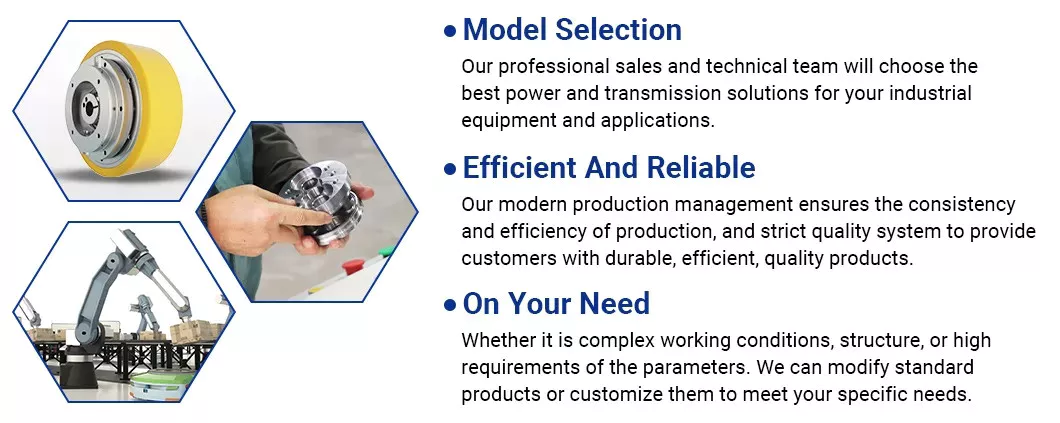
Helical gears
A planetary helical gearbox has two stages, each with its own input speed. In the study of planetary helical gear dynamics, the base circle radius and full-depth involute teeth are added to the ratio of each gear. The tangential position of the planets affects the dynamic amplifications and tooth forces. The tangential position error is an important factor in understanding the dynamic behaviour of helical planetary gears.
A helical gearbox has teeth oriented at an angle to the shaft, making them a better choice than spur gears. Helical gears also operate smoothly and quietly, while spur gears generate a thrust load during operation. Helical gears are also used in enclosed gear drives. They are the most common type of planetary gearbox. However, they can be expensive to produce. Whether you choose to use a helical or spur gearbox depends on the type of gearbox you need.
When choosing a planetary gear, it is important to understand the helix angle of the gear. The helix angle affects the way the planetary gears mesh, but does not change the fundamentals of planetary phasing. In each mesh, axial forces are introduced, which can either cancel or reinforce. The same applies to torques. So, if the ring gear is positioned at an angle of zero, helical gears will increase the axial forces.
The number of teeth on the planets is a variable parameter that must be considered in the design phase. Regardless of how many teeth are present, each planet must have a certain amount of tooth spacing to mesh properly with the ring or sun. The tip diameter is usually unknown in the conceptual design stage, but the pitch diameter may be used as an initial approximation. Asymmetrical helical gears may also cause undesirable noise.
Various sizes
There are several sizes and types of planetary gearboxes. The planetary gear sets feature the sun gear, the central gear, which is usually the input shaft, and the planet gears, which are the outer gears. A carrier connects the planet gears to the output shaft. The primary and secondary features of the planetary gearbox are important factors to consider. Besides these, there are other things to consider, such as the price, delivery time, and availability around the world. Some constructors are quicker than others in responding to inquiries. While others may be able to deliver every planetary gearbox out of stock, they will cost you more money.
The load share behavior of a planetary gearbox is comparable to that of a spur or a helical gearbox. Under low loads, individual gear meshes are slightly loaded, while other components have minimal deflections. In general, load sharing behaviour is affected mostly by assembly and manufacturing deviations. In this case, the elastic deflections help balance these effects. The load-sharing behavior of a planetary gearbox improves when the load increases.
Planetary gearboxes come in different sizes. The most common size is one with two or three planets. The size and type of the gears determine the transmission rate. Planetary gear sets come in stages. This gives you multiple transmission rate choices. Some companies offer small planetary gearboxes, while others offer larger ones. For those with special applications, make sure you check the torque, backlash, and ratio.
Whether the power is large or small, the planetary gearbox should be matched to the size of the drive. Some manufacturers also offer right-angle models. These designs incorporate other gear sets, such as a worm gear stage. Right-angle designs are ideal for situations where you need to vary the output torque. When determining the size of planetary gearboxes, make sure the drive shafts are lined up.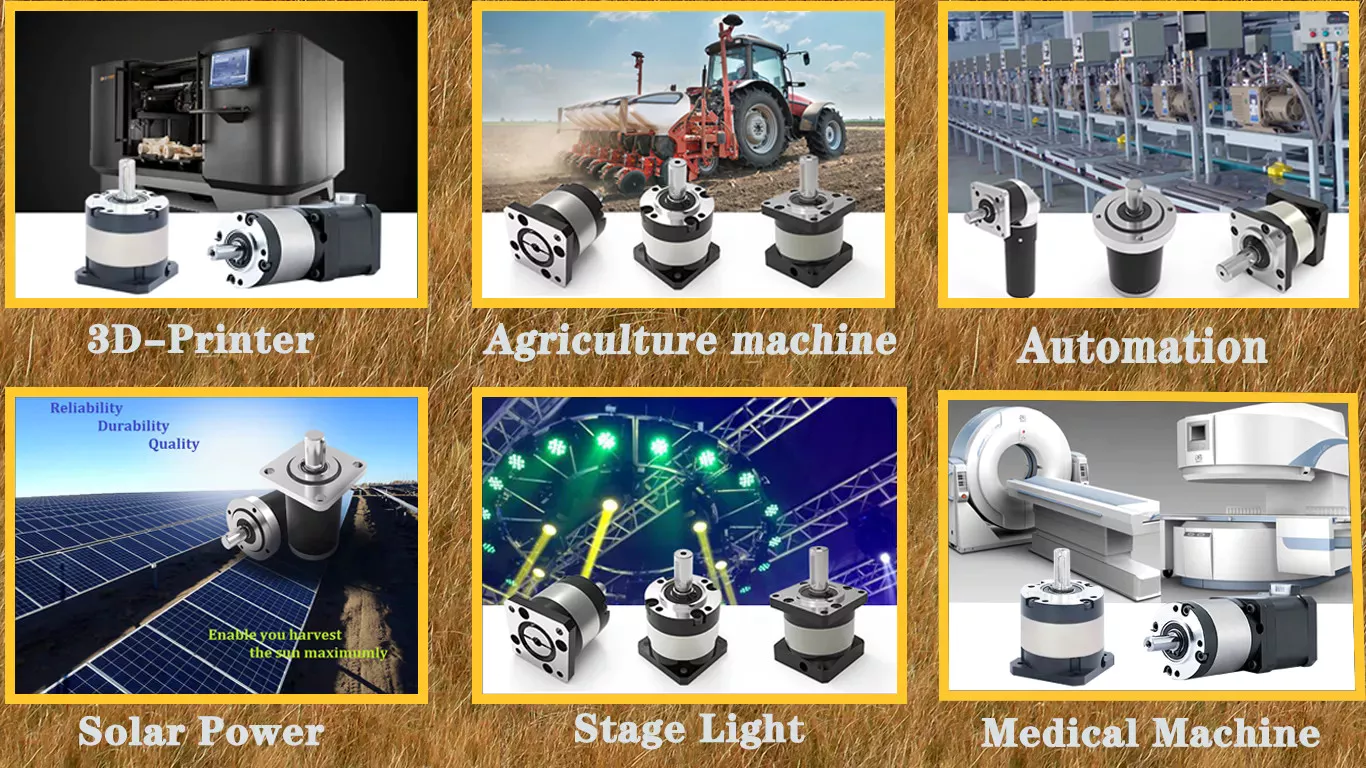
Applications
This report is designed to provide key information on the Global Applications of Planetary Gearbox Market, including the market size and forecast, competitive landscape, and market dynamics. The report also provides market estimates for the company segment and type segments, as well as end users. This report will also cover regional and country-level analysis, market share estimates, and mergers & acquisitions activity. The Global Applications of Planetary Gearbox Market report includes a detailed analysis of the key players in the market.
The most common application of a planetary gearbox is in the automobile industry, where it is used to distribute power between two wheels in a vehicle’s drive axle. In a four-wheel-drive car, this system is augmented by a centre differential. In hybrid electric vehicles, a summation gearbox combines the combustion engine with an electric motor, creating a hybrid vehicle that uses one single transmission system.
In the Global Industrial Planetary Gearbox Market, customer-specific planetary gears are commonly used for automated guided vehicles, intra-logistics, and agricultural technology. These gears allow for compact designs, even in tight spaces. A three-stage planetary gear can reach 300 Nm and support radial loads of 12 kN. For receiver systems, positioning accuracy is critical. A two-stage planetary gearbox was developed by CZPT. Its internal gear tension reduces torsional backlash, and manual controls are often used for high-quality signals.
The number of planetary gears is not fixed, but in industrial applications, the number of planetary gears is at least three. The more planetary gears a gearbox contains, the more torque it can transmit. Moreover, the multiple planetary gears mesh simultaneously during operation, which results in high efficiency and transmittable torque. There are many other advantages of a planetary gearbox, including reduced maintenance and high speed.


editor by Dream 2024-04-24
China Irrigation Gearbox Center Pivot Final Wheel Drive Driveline Motors Gearboxes Low Backlash Worm Reducer Servo Planetary Zero Backlash Mixer Bonfiglioli Gearbox compound planetary gearbox
Merchandise Description
irrigation gearbox middle CZPT Last wheel drive Driveline Motors gearboxes reduced backlash worm reducer servo planetary zero backlash mixer CZPT gearbox
| Application: | Motor, Electric Cars, Motorcycle, Machinery, Marine, Toy, Agricultural Machinery, Car |
|---|---|
| Function: | Distribution Power, Clutch, Change Drive Torque, Change Drive Direction, Speed Changing, Speed Reduction, Speed Increase |
| Layout: | Three-Ring |
| Hardness: | Hardened Tooth Surface |
| Installation: | Torque Arm Type |
| Step: | Stepless |
| Samples: |
US$ 9999/Piece
1 Piece(Min.Order) | |
|---|
Benefits of a Planetary Gearbox With Output Shaft
The output shaft of a Planetary Gearbox connects to the driven wheels, while the input shaft comes from the engine. These gears are interlinked and create a wide range of gear reductions, which are necessary to get a vehicle rolling comfortably. Gear reductions are the place where the various “gears” are located. Here are some examples. They can help you determine what you need for your vehicle. You might also want to learn about planetary gears.
Planetary gearboxes
Modern cars are most likely equipped with planetary gearboxes. If you’re unsure if your vehicle uses planetary gears, you should first consult your car’s owner’s manual. If not, contact your dealership’s service department for more information. Otherwise, you can do a quick search on the internet to find out whether your car has a planetary gearbox. These gearboxes are generally more complex than ordinary gears. Additionally, they are equipped with more parts and require lubrication.
In addition to their low noise levels, planetary gearboxes are also remarkably efficient at transmission. These features make them ideal for applications requiring high torque and small footprints. Unfortunately, there are many different types of planetary gearboxes on the market, making it difficult to find the right one. The following article will give you some guidelines to help you choose the right planetary gearbox for your needs. Let’s take a look!
Planetary gears
A planetary gearbox has two main components: the sun gear (also known as the central or input) and the planet gears (also known as outer or peripheral). These gears are connected together by a carrier to the output shaft of the machine. In some applications, it is necessary to use a planetary gearbox with lubrication to prevent wear and tear. A planetary gearbox also has a small ring gear that helps hold the planet gears together.
The main advantage of a planetary gearbox is that it uses several teeth that engage at once, allowing for high-speed reduction with a small number of gears. Because the gears are relatively small, they have lower inertia than their larger counterparts. Planetary gearboxes are compact, which makes them popular for space-constrained applications. Because of their compact size and efficiency, planetary gearboxes are also commonly used in motor vehicles.
Planetary gearboxes with output shaft
For high-speed, dynamic applications, planetary gearbox units with output shaft provide the optimal solution. Thanks to their low inertia, these gearheads deliver superior performance in many industrial applications. Additionally, their wide range of variants allows users to select the perfect product for their application. This article examines some of the key benefits of planetary gearboxes with output shaft. Read on to learn more.
The planetary gearbox has two major components: a sun gear and planet gears. The sun gear is usually the input gear, while the planet gears are located at the outer edges of the system casing. Planet gears are held together by a carrier that is connected to the output shaft. Before choosing a particular gearbox for your application, make sure that you check the specific requirements and the environment to which the unit will be subjected.
A planetary gearbox has less stages of gears, and thus lower backlash compared to spur gearboxes. Backlash is lost motion that occurs when the teeth of the gears are out of perfect alignment. This problem is common in all gears, but is significantly less in planetary gearboxes. As such, planetary gearboxes are more efficient. They can also be customized according to the specific engine model and motor flange.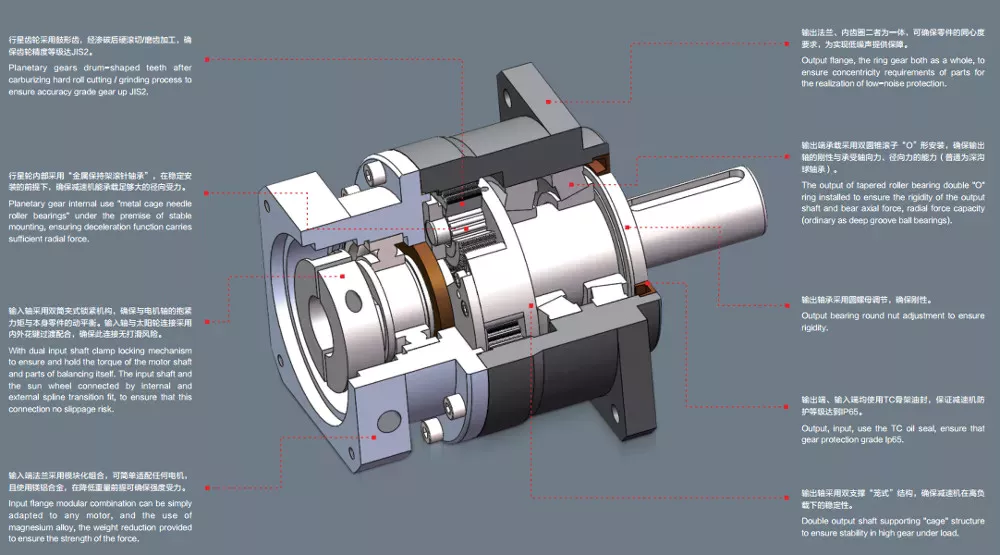
Planetary gearboxes with carrier
A planetary gearbox is a type of gearbox with three or more stages. They have a sun gear, which is usually the input gear, and planet gears, also called the outer gears. The carrier that connects the planet gears to the output shaft is called a ring gear. A planetary gearbox is generally designed to meet specific application and environmental requirements, but there are some factors to consider when choosing one.
The compact footprint of planetary gear sets results in high heat dissipation. This can be a problem in applications with sustained performance or high speeds. As a result, planetary gear sets often include lubricants, which present a cooling effect while also reducing noise and vibration. Some planetary gears even feature a carrier to make the installation process easier. Here are some things to keep in mind when choosing a planetary gear set.
Planetary gearboxes with carrier have several advantages over other types of gearboxes. Unlike conventional gearboxes, planetary gears have a common central shaft, and the tangential forces between the gears cancel out at the center of the ring gear. Because of this, planetary gearboxes are commonly used in input/output applications, and their compact size allows for a wide range of gear reductions. These gears can also produce higher torque density.
Planetary gearboxes with traction
Planetary gears are similar to the planetary system, in that each pinion rotates around a sun gear. The output of the planetary gear unit is lower than the drive rotation speed, but the torque is higher. As the number of planet gear wheels increases, so does the torque. Planetary gear systems contain three to four planet gears, and each is in constant mesh with the others. Power applied to any one member rotates the entire assembly.
Typical applications for planetary gear sets include high-precision motion control. In these applications, high torque, torsional stiffness, and low backlash are required. Planetary gear sets are also ideal for motors with higher speeds. A number of factors contribute to the reliability of these devices. The low backlash and large torque capacity of a planetary gear motor allow them to be used in a wide range of applications.
Planetary gearboxes with electric motors
If you’re in the market for a new gearbox, you may have already heard about planetary gearboxes. The planetary gearbox is a high-efficiency, low-noise gearbox. CZPT manufactures high-torque planetary gearboxes with low backlash. They also make economy planetary gearboxes for lower loads. However, with so many different types available, choosing the right one for your needs can be challenging.
These planetary gearboxes are a compact alternative to conventional pinion-and-gear reducers. They offer high-speed reduction and high torque transfer, and are often used for space-constrained applications. But before you can understand how they work, you’ll need to understand a little about their construction. There are a few things to look for that you may not have noticed before.
The most common type of planetary gearbox is a PM81/LN. It features a set of DC brush motors with diameter 77mm, a stator, and two or more outer gears. Each of these gears is connected to an output shaft through a carrier. They can also be used with brakes, encoders, or a clutch. A planetary gearbox is one of the most reliable gearbox types on the market.
Planetary gearboxes with hydraulic motors
A planetary gearbox is a combination of two gears, the sun and the planets. The sun gear rotates at high speed, while the planets roll around and orbit around the ring gear. The output shaft has the same direction of rotation as the input shaft. The benefits of a planetary gearbox include high reduction ratios, efficiency, space-saving compactness, and higher overload capacity. These gears are also more stable and compact, and they do not suffer from self-locking properties.
Planetary gearboxes are a highly efficient way to power hydraulic lifts. They can be input via electric, hydraulic, or air motors. The drive arrangement can be mounted on a bare shaft, splined shaft, or a parallel keyed input shaft. Depending on the application, bespoke gearboxes can be manufactured with a variety of features and functions.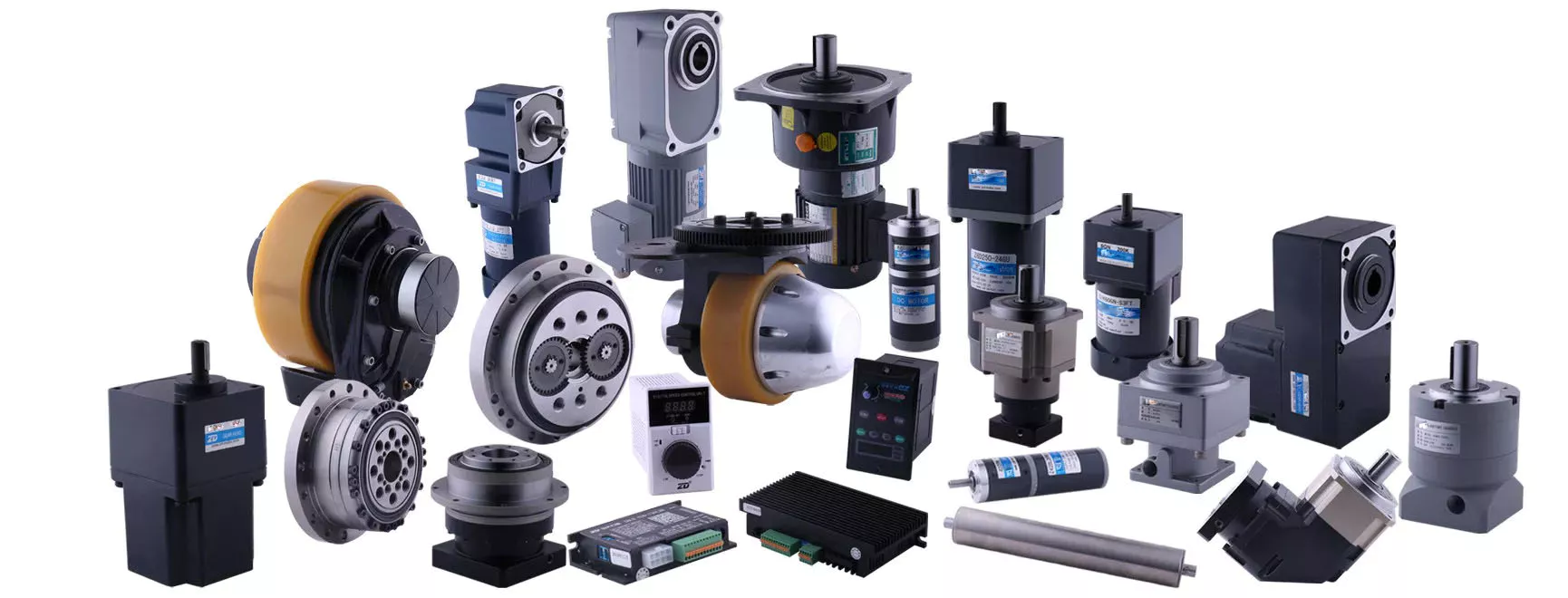
Planetary gearboxes with combustion engines
There are many different applications of planetary gear sets. The most common is the distribution of power between two wheels in a car’s drive axle. Four-wheel drives use two axle differentials, which are further augmented by a centre differential. Hybrid electric vehicles use summation gearboxes to distribute power from the combustion engine to the wheels and to an electric motor. Planetary gear sets also combine the two different types of motors to form one hybrid vehicle.
To understand how planetary gear sets work, it is important to understand the underlying mechanical principles. For example, Fig. 4.6 shows a stick diagram illustrating two planetary gear sets connected by a lever. The two levers are the same length, so the system is analogous to a single lever. When calculating the torque, it is essential to consider the lever diagram. Similarly, if two gear sets are connected by vertical links, the horizontal links must be horizontal.
editor by CX 2023-04-10
China wholesaler Heavy Duty Industrial 1.25~450 Ratio Shaft Mounted Hollow Shaft Bevel Helical Reduction Gearbox Gear Motors for CZPT Factory with Hot selling
Solution Description
Large Responsibility Industrial 1.twenty five~450 Ratio Shaft Mounted Hollow Shaft Bevel Helical Reduction Gearbox Equipment Motors for CZPT Manufacturing facility
one.The HB industrial gear box adopts the basic layout scheme to understand the CZPT box body of parallel axis and straight axis and lessen the selection of elements.
specifications and versions elevated.
2. HB standard industrial equipment box adopts seem-absorbing box framework, big box surface spot, massive enthusiast, cylindrical gear and spiral cone .Innovative equipment grinding technologies is adopted to increase the complete machine’s temperature increase, sounds reduction, dependability of operation and power transmission Increased.
three. The gearbox has 3-26 sort requirements, and the reduction transmission series has 1-4 levels, and the velocity ratio is 1.25-450.
4. Installation technique: base set up, hollow shaft installation, swinging foundation installation and torsion arm set up.
5. Enter manner: motor connection flange and shaft enter.
six. Output method: solid shaft with flat essential, hollow shaft with flat key, hollow shaft with enlargement plate connection, hollow shaft with spline link Shaft, solid shaft with spline relationship and strong shaft with flange relationship.
The Rewards of Employing a Equipment Motor
A gear motor operates on the theory of conservation of angular momentum. As the smaller gear handles far more RPM and the more substantial equipment produces far more torque, the ratio among the two is greater than 1. Likewise, a numerous gear motor follows the theory of power conservation, with the route of rotation always reverse to the 1 that is adjacent to it. It’s easy to comprehend the concept powering gear motors and the numerous types available. Go through on to learn about the various sorts of gears and their programs.
Electric powered motor
The option of an electric motor for gear motor is largely dependent on the software. There are various motor and gearhead combinations available, and some are more efficient than other individuals. However, it is vital to comprehend the application demands and choose a motor that satisfies these needs. In this report, we will analyze some of the rewards of utilizing a gear motor. The professionals and disadvantages of each and every sort are briefly discussed. You can purchase new equipment motors at competitive charges, but they aren’t the most reliable or durable option for your application.
To decide which motor is greatest for your application, you may need to think about the load and pace specifications. A gear motor’s effectiveness (e) can be calculated by taking the enter and output values and calculating their relation. On the graph under, the input (T) and output (P) values are represented as dashed strains. The input (I) value is represented as the torque used to the motor shaft. The output (P) is the quantity of mechanical energy converted. A DC equipment motor is 70% successful at 3.75 lb-in / 2,one hundred rpm.
In addition to the worm gear motor, you can also pick a compact DC worm gear motor with a variable gear ratio from 7.5 to 80. It has a selection of options and can be custom-made for your specific software. The 3-period AC gear motor, on the other hand, performs at a rated electricity of 1 hp and torque of 1.143.2 kg-m. The output voltage is normally 220V.
An additional critical aspect is the output shaft orientation. There are two main orientations for gearmotors: in-line and offset. In-line output shafts are most ideal for applications with high torque and quick reduction ratios. If you want to stay away from backlash, decide on a proper angle output shaft. An offset shaft can trigger the output shaft to turn into excessively very hot. If the output shaft is angled at a particular angle, it might be too huge or also little.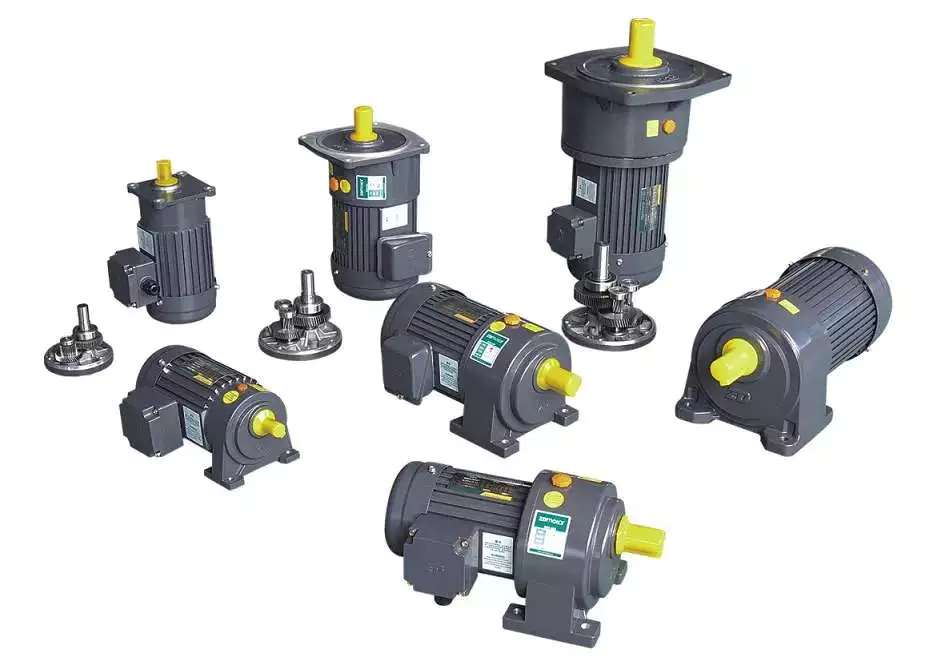
Equipment reducer
A equipment reducer is a special type of speed lowering motor, generally utilised in huge machinery, such as compressors. These reducers have no cooling fan and are not designed to take care of hefty hundreds. Different needs demand different support elements. For instance, a equipment that needs frequent rapidly accelerations and occasional load spikes requirements a gear reducer with a large service factor. A gear reducer which is designed for long manufacturing shifts should be more substantial than a machine that utilizes it for limited durations of time.
A gear reducer can decrease the velocity of a motor by a issue of two. The reduction ratio modifications the rotation velocity of the getting member. This adjust in pace is typically necessary to solve issues of inertia mismatch. The torque density of a gear reducer is calculated in newton meters and will depend on the motor utilized. The initial criterion is the configuration of the enter and output shafts. A gear ratio of 2:1, for illustration, implies that the output speed has been cut in fifty percent.
Bevel equipment reducers are a great selection if the input and output shafts are perpendicular. This type is really robust and is ideal for conditions exactly where the angle among two axes is little. However, bevel gear reducers are costly and demand continuous maintenance. They are usually utilised in heavy-responsibility conveyors and farm products. The appropriate choice of equipment reducer for gear motor is essential for the effectiveness and trustworthiness of the system. To get the best equipment reducer for your application, discuss to a experienced company right now.
Deciding on a gear reducer for a equipment motor can be tough. The mistaken a single can wreck an total device, so it truly is crucial to know the specifics. You should know the torque and speed requirements and pick a motor with the appropriate ratio. A gear reducer should also be suitable with the motor it truly is supposed for. In some cases, a more compact motor with a gear reducer will operate much better than a more substantial 1.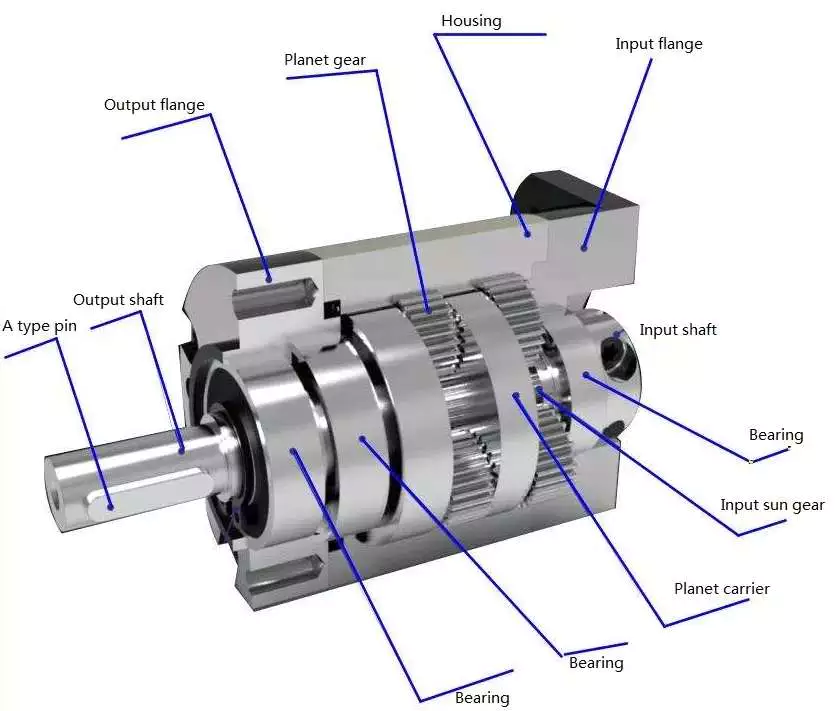
Motor shaft
Correct alignment of the motor shaft can tremendously improve the efficiency and daily life span of rotating products. The appropriate alignment of motors and pushed instruments enhances the transfer of power from the motor to the instrument. Incorrect alignment leads to extra noise and vibration. It might also direct to untimely failure of couplings and bearings. Misalignment also results in increased shaft and coupling temperatures. Consequently, correct alignment is essential to boost the performance of the pushed instrument.
When deciding on the proper type of gear train for your motor, you require to think about its power effectiveness and the torque it can take care of. A helical geared motor is far more productive for substantial output torque apps. Based on the needed speed and torque, you can pick among an in-line and a parallel helical geared motor. Both sorts of gears have their advantages and drawbacks. Spur gears are prevalent. They are toothed and operate parallel to the motor shaft.
A planetary equipment motor can also have a linear output shaft. A stepping motor need to not function at too large existing to avoid demagnetization, which will direct to step decline or torque fall. Guarantee that the motor and gearbox output shafts are secured from exterior impacts. If the motor and gearbox are not secured against bumps, they might cause thread problems. Make certain that the motor shafts and rotors are protected from exterior impacts.
When picking a metal for your equipment motor’s motor shaft, you ought to take into account the cost of very hot-rolled bar stock. Its outer levels are far more hard to equipment. This kind of substance is made up of residual stresses and other issues that make it hard to machine. For these purposes, you should decide on a higher-strength metal with difficult outer layers. This kind of steel is less costly, but it also has dimensions concerns. It truly is best to check each and every material very first to figure out which a single satisfies your wants.
In addition to lowering the speed of your gadget, a geared motor also minimizes the torque generated by your device. It can be utilised with equally AC and DC energy. A large-quality gear motor is important for stirring mechanisms and conveyor belts. Nonetheless, you must select a geared motor that makes use of substantial-quality gears and offers highest effectiveness. There are a lot of varieties of planetary gear motors and gears on the marketplace, and it’s essential to decide on the right 1.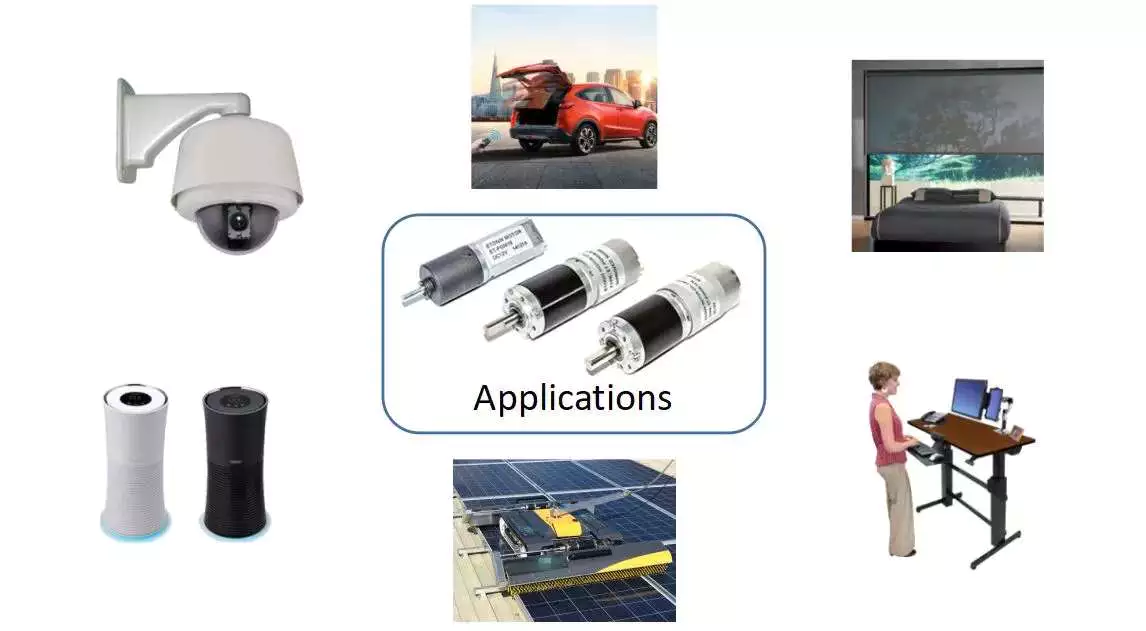
Very first stage gears
The 1st stage gears of a equipment motor are the most essential parts of the total device. The motor’s electrical power transmission is 90% successful, but there are a lot of factors that can have an effect on its efficiency. The equipment ratios employed ought to be substantial sufficient to handle the load, but not also substantial that they are limiting the motor’s velocity. A gear motor should also have a healthful basic safety element, and the lubricant should be ample to get over any of these factors.
The transmission torque of the gear adjustments with its velocity. The transmission torque at the input side of the equipment decreases, transferring a small torque to the output aspect. The amount of tooth and the pitch circle diameters can be employed to compute the torque. The initial stage gears of equipment motors can be categorized as spur gears, helical gears, or worm gears. These three kinds of gears have distinct torque capacities.
The very first stage helical gear is the most important part of a equipment motor. Its perform is to transfer rotation from one particular equipment to the other. Its output is the gearhead. The second phase gears are related by a carrier. They operate in tandem with the 1st phase equipment to supply the output of the gearhead. In addition, the 1st phase carrier rotates in the same path as the input pinion.
Another critical ingredient is the output torque of the gearmotor. When selecting a gearmotor, take into account the commencing torque, running torque, output speed, overhung and shock loads, obligation cycles, and a lot more. It is essential to select a gearmotor with the correct ratio for the application. By choosing the correct gearmotor, you will get optimum efficiency with small operating charges and enhance plant productiveness. For far more information on 1st phase gears, verify out our blog.
The initial phase of a gear motor is composed of a established of set and rotating sprockets. The first stage of these gears acts as a travel equipment. Its rotational mass is a restricting element for torque. The next phase is made up of a rotating shaft. This shaft rotates in the direction of the torque axis. It is also the limiting force for the motor’s torque.

